
Loot vs Lute Homophones: Spelling & Definition
Have you ever paused while writing because you couldn’t remember whether the correct word was “loot” or “lute”? You’re not alone. Since both words are … Read More
Have you ever paused while writing because you couldn’t remember whether the correct word was “loot” or “lute”? You’re not alone. Since both words are … Read More

“Full proof” is a common spelling mistake for “foolproof.” If you want to describe a plan, method, recipe, system, or process designed to prevent mistakes … Read More

Have you ever wondered whether you should say “roll the die” or “roll the dice”? You’re not alone. Many English learners, and even native speakers, … Read More

At first glance, tear and tare sound the same, making them easy to confuse. However, these homophones have completely different meanings and are used in … Read More

Yes, Yupper is a real word, but its meaning depends on the context. Most commonly, it’s an informal, playful way of saying “yes,” much like … Read More

Choosing between attain and obtain may seem difficult because both verbs describe getting something. However, they are not interchangeable. The difference lies in how something … Read More
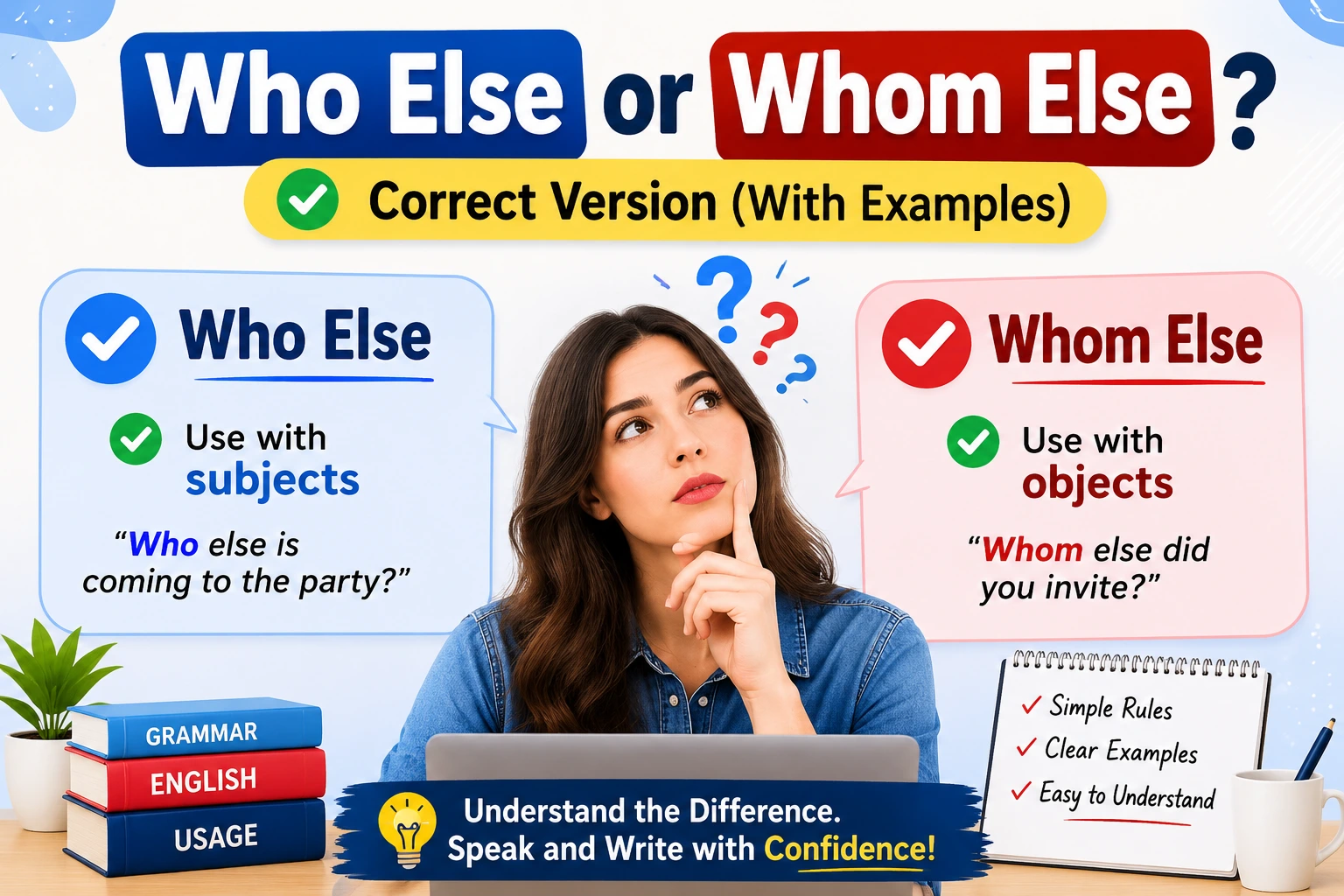
Have you ever stopped while writing an email or assignment and wondered whether to write who else or whom else? You’re not alone. Even fluent … Read More
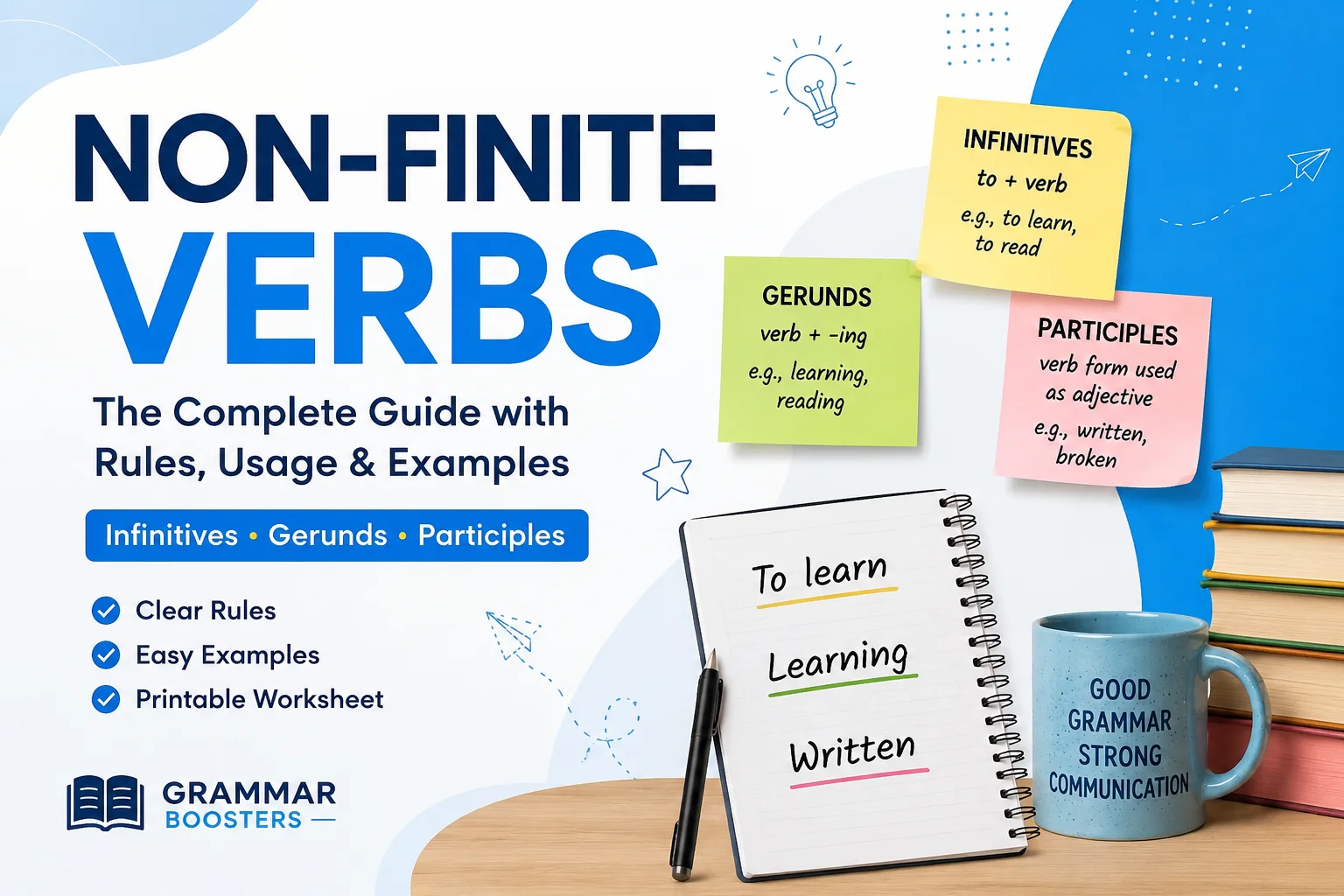
Non-finite verbs are one of the most important grammar topics in English because they help you build smoother, more natural sentences. Unlike finite verbs, they … Read More

Introduction Have you ever heard someone say, “I’m taking a day off,” while someone else says, “I’m having an off day”? Although these expressions contain … Read More

If you’ve ever paused while writing some of whom or some of who, you’re not alone. The confusion is common because modern spoken English often … Read More
Grammar Boosters is a learning platform designed to make English grammar simple, clear, and practical for everyone. The website provides easy explanations, real examples, and helpful tips to improve writing and speaking skills.