Yes, Yupper is a real word, but its meaning depends on the context. Most commonly, it’s an informal, playful way of saying “yes,” much like yup or yep. In another context, Yupper may refer to a person connected with Michigan’s Upper Peninsula, although Yooper is the more widely recognized regional term.
Understanding these meanings helps you choose the right word for the right situation. In this guide, you’ll learn what Yupper and Yuppers mean, whether they’re considered proper English, how native speakers use them, when to avoid them, and how they compare with similar expressions.
Quick Answer
If you’re looking for a fast answer, here’s what you need to know.
| Question | Answer |
| Is Yupper a real word? | Yes. It’s used in informal and regional English. |
| What does Yupper usually mean? | A cheerful way of saying “yes.” |
| Is it formal English? | No. It’s best reserved for casual communication. |
| Is Yuppers different? | It has the same meaning but sounds more playful. |
| Can I use it in texting? | Yes. It’s common in texts, chats, and social media. |
| Should I use it in business writing? | No. Use yes instead. |
Is Yupper a Real Word?
Yes, Yupper is a genuine word used in modern English, although it belongs primarily to informal speech rather than formal writing. Native speakers often use it in conversations, text messages, online chats, and social media in a friendly or humorous way.
The word also appears in regional American English, where it may refer to someone associated with Michigan’s Upper Peninsula. However, in that regional sense, Yooper is generally the more familiar and widely accepted spelling.
Like many conversational expressions, Yupper became popular through everyday use before receiving attention from language references. This is common in English, where spoken language often evolves faster than dictionaries.
Language Tip: A word doesn’t have to appear in every dictionary to be part of living English. Consistent use by native speakers is one of the strongest indicators that a word has become established in everyday communication.
Is Yupper in the Dictionary?
Whether you’ll find Yupper in a dictionary depends on which dictionary you consult. Traditional dictionaries apply strict editorial standards before adding new words, while modern dictionaries and regional language references often document informal expressions sooner.
Even if a particular dictionary doesn’t include Yupper, that doesn’t automatically make it incorrect. English contains many widely understood words that gained popularity through everyday conversation long before they appeared in major dictionaries.
When deciding whether to add a word, lexicographers typically consider factors such as:
- Consistent use over time
- Widespread understanding among speakers
- Usage across different types of communication
- Stable meaning in real-world contexts
As with many slang terms, Yupper is best understood as an established informal expression rather than a standard formal vocabulary word.
Is Yupper Standard English or Slang?
In most situations, Yupper is considered informal slang. It doesn’t change the meaning of yes; it simply changes the tone. Using Yupper makes a reply sound friendlier, more enthusiastic, or slightly humorous.
For example:
Friend: “Are you coming tonight?”
You: “Yupper!”
The response communicates agreement while creating a warmer, more conversational tone than a simple Yes.
Because it’s informal, Yupper isn’t appropriate for every situation.
| Appropriate | Not Recommended |
| Text messages | Academic essays |
| Social media | Business proposals |
| Friends and family | Legal documents |
| Casual conversations | Professional emails |
| Group chats | Research papers |
| A good rule is to match your language to your audience. If the conversation is relaxed, Yupper can sound natural. If professionalism matters, yes remains the better choice. |
What Does Yupper Mean?
The most common meaning of Yupper is an enthusiastic or playful way of saying “yes.” It functions as an informal affirmative response, similar to yup, yep, or yeah, while adding a little more personality to the conversation.
For example:
- “Can you help me later?”
“Yupper!” - “Did you finish the assignment?”
“Yupper, I just submitted it.”
In some regional contexts, Yupper may also refer to a person connected with Michigan’s Upper Peninsula. In that sense, the meaning comes from geography rather than agreement, and the surrounding conversation usually makes the intended meaning clear.
Definition of Yupper
| Meaning | Description | Example |
| Informal response | A playful way of saying “yes.” | “Yupper, I’ll be there.” |
| Regional term | A person associated with Michigan’s Upper Peninsula (less common than Yooper). | “He’s a lifelong Yupper.” |
| Although these meanings are different, English often uses context to distinguish between multiple definitions of the same word. |
What Does Yuppers Mean?
Yuppers is a playful, enthusiastic variation of “yes.” It carries the same basic meaning as Yupper but sounds even more cheerful and expressive. The added -s doesn’t change the definition; it simply gives the response a friendlier, more energetic tone.
You’ll often see Yuppers in:
- Text messages
- Social media comments
- Group chats
- Online gaming
- Casual workplace messaging
- Friendly conversations
For example:
Friend: “Did you finish the project?”
You: “Yuppers!”
The reply feels upbeat and conversational while clearly agreeing.
Yupper vs. Yuppers
Although Yupper and Yuppers are often used interchangeably, there are subtle differences in tone.
| Feature | Yupper | Yuppers |
| Meaning | Yes | Yes |
| Tone | Casual and friendly | More playful and enthusiastic |
| Common in texting | Yes | Very common |
| Suitable for formal writing | No | No |
| Everyday conversations | Yes | Yes |
| There is no grammar rule requiring one over the other. Native speakers simply choose the version that best matches the mood of the conversation. |
Examples of Yupper and Yuppers in Sentences
Seeing a word in context is one of the best ways to understand how native speakers actually use it. Both Yupper and Yuppers replace yes in informal conversations while making the response sound warmer and more expressive.
Everyday Conversation Examples
These examples show how the words fit naturally into casual speech.
- “Are you free this afternoon?”
“Yupper, let’s meet around three.” - “Did you watch the game?”
“Yuppers! It was amazing.” - “Can you help me tomorrow?”
“Yupper, just tell me what time.” - “Ready for the road trip?”
“Yuppers! Let’s go.”
Texting Examples
Short replies make these expressions especially popular in messaging apps.
| Question | Casual Reply |
| Are you home? | Yupper! |
| Did you submit the report? | Yupper, just finished. |
| Want to grab lunch? | Yuppers, sounds good. |
| Can you call later? | Yupper, around 6 PM. |
| Did the package arrive? | Yuppers! It came this morning. |
Casual Workplace Examples
In relaxed workplace chats between coworkers who know each other well, Yupper may sound natural.
Coworker: “Can you review the presentation today?”
You: “Yupper, I’ll finish it this afternoon.”
Manager: “Can everyone join tomorrow’s team lunch?”
Employee: “Yupper, I’ll be there.”
For formal communication with clients, senior management, or external partners, use Yes instead.
Quick Tip: When in doubt, match your language to your audience. Friendly expressions work well in casual conversations, while standard English is the safer choice in professional settings.
When Should You Use Yupper?
The key to using Yupper correctly isn’t grammar; it’s understanding the situation. Native speakers naturally switch between formal and informal language depending on who they’re speaking with.
Good Situations to Use Yupper
You can confidently use Yupper in:
- Text messages
- Family conversations
- Social media posts
- Online gaming chats
- Group messaging apps
- Casual conversations with friends
- Relaxed workplace chats
When to Avoid Yupper
Choose yes instead in:
- Academic essays
- Research papers
- Business proposals
- Legal documents
- Professional presentations
- Job applications
- Formal emails
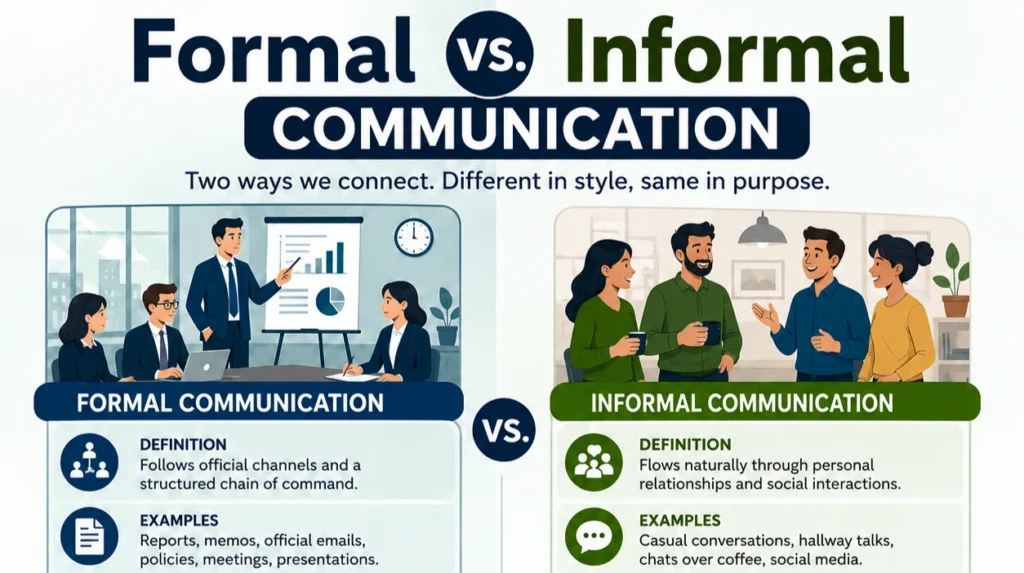
Formal vs. Informal Communication
A simple way to decide is to ask yourself:
Would I use emojis or “LOL” in this conversation?
If the answer is yes, Yupper will probably sound natural.
If the answer is no, choose yes instead.
| Communication Type | Use Yupper? | Better Choice |
| Text messages | ✅ Yes | Yupper |
| Family chat | ✅ Yes | Yupper |
| Friends | ✅ Yes | Yuppers |
| Social media | ✅ Yes | Yupper |
| Casual team chat | ✅ Sometimes | Yupper or Yes |
| Business email | ❌ No | Yes |
| School assignment | ❌ No | Yes |
| Professional report | ❌ No | Yes |
Why Do People Say Yupper Instead of Yes?
People often choose Yupper because it sounds warmer, more expressive, and more conversational than a simple yes. While both words communicate agreement, Yupper adds personality and friendliness, making interactions feel more relaxed.
Native English speakers frequently modify common words to create a more casual tone. Similar examples include yep, yup, okie, nah, and nope. These variations don’t change the meaning; they simply change how the message feels.
Here are a few reasons people use Yupper:
- To sound enthusiastic
- To make conversations friendlier
- To agree playfully
- To add humor or personality
- To create a relaxed, informal tone
For example:
Simple: “Yes, I’ll come.”
Friendlier: “Yupper, I’ll come!”
The second response conveys the same message but feels more energetic and approachable.
Common Situations Where Native Speakers Use Yupper
You’ll hear or read Yupper most often in informal communication where a relaxed tone is appropriate.
Friends and Family
Mom: “Did you eat lunch?”
Child: “Yupper!”
Text Messages
Friend: “Movie tonight?”
You: “Yupper!”
Social Media
Comment: “Are you excited for the new season?”
Reply: “Yuppers!”
Casual Workplace Chats
Coworker: “Ready for the meeting?”
You: “Yupper.”
In each example, yes would also be correct, but Yupper creates a more natural and friendly conversation.
Common Mistakes When Using Yupper
Although Yupper is easy to understand, learners sometimes use it in situations where it sounds inappropriate. The biggest mistake isn’t grammar; it’s choosing the wrong level of formality.
Mistake 1: Using It in Formal Writing
❌ “Yupper, I accept your job offer.”
✅ “Yes, I accept your job offer.”
Mistake 2: Using It in Academic Assignments
❌ “Yupper, climate change is a global issue.”
✅ “Yes, climate change is a global issue.”
Mistake 3: Overusing It
Repeating Yupper in every reply can sound unnatural. Native speakers usually alternate between yes, yeah, yep, yup, and other informal responses depending on the situation.
Mistake 4: Assuming It’s Appropriate Everywhere
Just because a word is common in conversation doesn’t mean it belongs in professional communication. Always consider your audience before choosing informal expressions.
Writing Tip: If you’re unsure whether Yupper is appropriate, replace it with yes. Standard English is always a safe choice in formal situations.
Yupper vs. Similar Words
English offers several informal alternatives to yes, each with a slightly different tone.
| Word | Tone | Common Usage |
| Yes | Neutral and formal | Works in every situation |
| Yeah | Casual | Everyday conversation |
| Yep | Friendly | Informal speech |
| Yup | Relaxed | Texting and conversations |
| Yupper | Cheerful | Casual conversations and chats |
| Yuppers | Playful | Friends, texting, and social media |
| Absolutely | Strong agreement | Both casual and professional settings |
| Certainly | Polite and formal | Professional communication |
| The best choice depends on your audience and the level of formality. While Yes fits every context, Yupper and Yuppers are best reserved for conversations where a lighthearted tone feels natural. |
Can You Use Yupper in Professional Communication?
In most professional situations, it’s better to avoid Yupper. Although the word isn’t incorrect, it may appear too casual in business communication and could give the impression that you’re not taking the conversation seriously.
Instead, use standard responses such as:
- Yes
- Certainly
- Absolutely
- Of course
For example:
❌ “Yupper, I’ve attached the report.”
✅ “Yes, I’ve attached the report.”
However, in an informal team chat where coworkers already communicate casually, Yupper may occasionally sound natural. Even then, use it sparingly and match the tone of the workplace.
Is Yupper Grammatically Correct?
Yes, Yupper is grammatically acceptable when used in informal conversation as an interjection meaning “yes.” The grammar isn’t the issue; it’s the level of formality. Just as yep, yup, and yeah are grammatically valid in casual speech, Yupper follows the same pattern.
For example:
- “Are you ready?”
“Yupper!” - “Did you finish your homework?”
“Yupper, I did.”
These responses are grammatically correct because they function as conversational substitutes for yes. However, they aren’t appropriate in formal writing or professional communication.
Is Yupper an Interjection?
Yes. In most cases, Yupper functions as an interjection, a word used to express a feeling, reaction, or response without being part of the grammatical structure of a sentence.
Examples:
- “Yupper! That’s exactly what I meant.”
- “Yupper, I’ll help you after work.”
Like yes, wow, oops, and thanks, Yupper can stand alone or introduce a sentence.
Pronunciation of Yupper
The word Yupper is commonly pronounced:
/ˈjʌpər/
Simple pronunciation: YUP-er
It rhymes with words like upper and supper.
Break it into two syllables:
YUP + er
Stress falls on the first syllable:
YUP: er
Where Did the Word Yupper Come From?
The exact origin of Yupper isn’t fully documented, but language experts generally view it as a natural extension of yup, an informal alternative to yes. English speakers often create playful variations by adding endings such as -er, -ie, or -ers to familiar words.
Examples include:
- Yup → Yupper
- Yup → Yuppers
- Ok → Okie
- Bye → Bye-bye
These variations develop naturally in spoken English and spread through everyday conversation, texting, online communities, and social media.
In some regional contexts, Yupper has also been used to describe a person from Michigan’s Upper Peninsula, although Yooper remains the standard regional spelling.
Is Yupper Common in American English?
Yes, Yupper is recognized by many American English speakers, but it isn’t as common as yes, yeah, yep, or yup. You’ll encounter it mainly in informal settings, particularly among friends, family members, and online communities.
Its popularity also varies by age group and region. Younger speakers and frequent internet users are generally more likely to use playful expressions like Yupper or Yuppers than older generations.
Is Yupper Common in British English?
Not really. Yupper is much less common in British English than in American English. British speakers are more likely to use informal alternatives such as:
- Yeah
- Yep
- Yup (less common)
- Certainly
- Of course
Although British readers would usually understand Yupper from context, it may sound distinctly American or internet-inspired.
Is Yupper Used Around the World?
Because English is a global language, informal expressions often spread beyond their country of origin through movies, television, gaming, memes, and social media. As a result, learners in countries such as India, Pakistan, Canada, Australia, and the Philippines may recognize Yupper, even if they don’t use it regularly.
Still, Yupper should be viewed as a casual conversational expression rather than an internationally accepted standard English word.
Tips for English Learners
If you’re learning English, focus first on knowing when to use Yupper, not just what it means.
Follow these simple guidelines:
- Use Yupper only in informal conversations.
- Use Yes in formal speaking and writing.
- Listen to how native speakers use casual expressions.
- Match your language to your audience and situation.
- Don’t overuse slang in professional or academic settings.
Remember, sounding natural in English isn’t about using the most informal words; it’s about choosing the right word for the right context.
Frequently Asked Questions About Yupper
Is Yupper a real English word?
Yes. Yupper is a real informal English expression commonly used as a cheerful way of saying “yes.” While it isn’t considered formal Standard English, many native speakers recognize and use it in casual conversations, texting, and social media.
What does Yuppers mean?
Yuppers means the same thing as Yupper, an enthusiastic, playful version of “yes.” The extra -s simply makes the expression sound more friendly and energetic.
Is Yupper grammatically correct?
Yes. Yupper is grammatically correct when used as an informal interjection. The only limitation is that it doesn’t fit formal or academic writing.
Can I use Yupper in professional emails?
No. Professional emails should use Yes, Certainly, or Absolutely instead. Yupper is better suited to casual conversations with friends or coworkers in relaxed settings.
Is Yupper considered slang?
Yes. In most contexts, Yupper is informal slang. It belongs to everyday spoken English rather than formal written English.
What’s the difference between Yup, Yupper, and Yuppers?
All three mean “yes,” but they differ slightly in tone:
- Yup is simple and casual.
- Yupper sounds friendlier.
- Yuppers feels the most playful and enthusiastic.
Is Yupper commonly used in American English?
Yes, although it’s less common than yes, yeah, yep, and yup. You’ll mainly encounter it in casual conversations, online chats, and social media.
Is Yupper the same as Yooper?
No. Although the words look similar, they have different meanings. Yupper usually means “yes” in informal conversation, while Yooper refers to a person from Michigan’s Upper Peninsula.
Should English learners use Yupper?
Yes, but only after understanding when it’s appropriate. Learn yes first, then use Yupper naturally in informal conversations where native speakers might use similar expressions.
Can Yupper replace yes in every situation?
No. While Yupper can replace yes in casual speech, it shouldn’t be used in formal writing, academic assignments, legal documents, business correspondence, or professional presentations.
Conclusion About Yupper
Yupper is a fun, friendly, and informal way to say “yes.” Although it isn’t suitable for formal writing, it has become a recognizable part of everyday conversational English, especially in text messages, social media, and relaxed conversations. Yuppers carries the same meaning but adds an even more cheerful tone. The most important rule isn’t whether the word is correct; it’s knowing when to use it.
Choosing the right level of formality helps your English sound natural and appropriate in every situation. If you’re an English learner, mastering expressions like Yupper can improve your understanding of real-life conversations while reminding you that standard yes remains the best choice for professional and academic communication. By understanding both meanings and contexts, you’ll communicate with greater confidence and sound more like a native speaker when the situation calls for casual English.

I’m Jason R, a professional writer with a deep interest in English grammar, vocabulary, idioms, and effective writing. I create well-researched, easy-to-read content that helps readers understand challenging language topics without feeling overwhelmed. Whether you’re improving your writing or expanding your vocabulary, I’m here to help you gain confidence in using English every day.